Korean Bibimbap
Highlighted under: Traditional World Food Ideas
Korean Bibimbap is a vibrant and nutritious dish that combines rice, vegetables, and a savory sauce, all topped with a perfectly fried egg.
Discover the delightful world of Korean cuisine with this Bibimbap recipe. It's not just a meal; it's an experience that brings together various flavors and textures.
Why You'll Love This Recipe
- A colorful medley of fresh vegetables and flavors
- Customizable to your taste with various toppings
- A wholesome and balanced meal in one bowl
A Colorful Medley of Fresh Vegetables
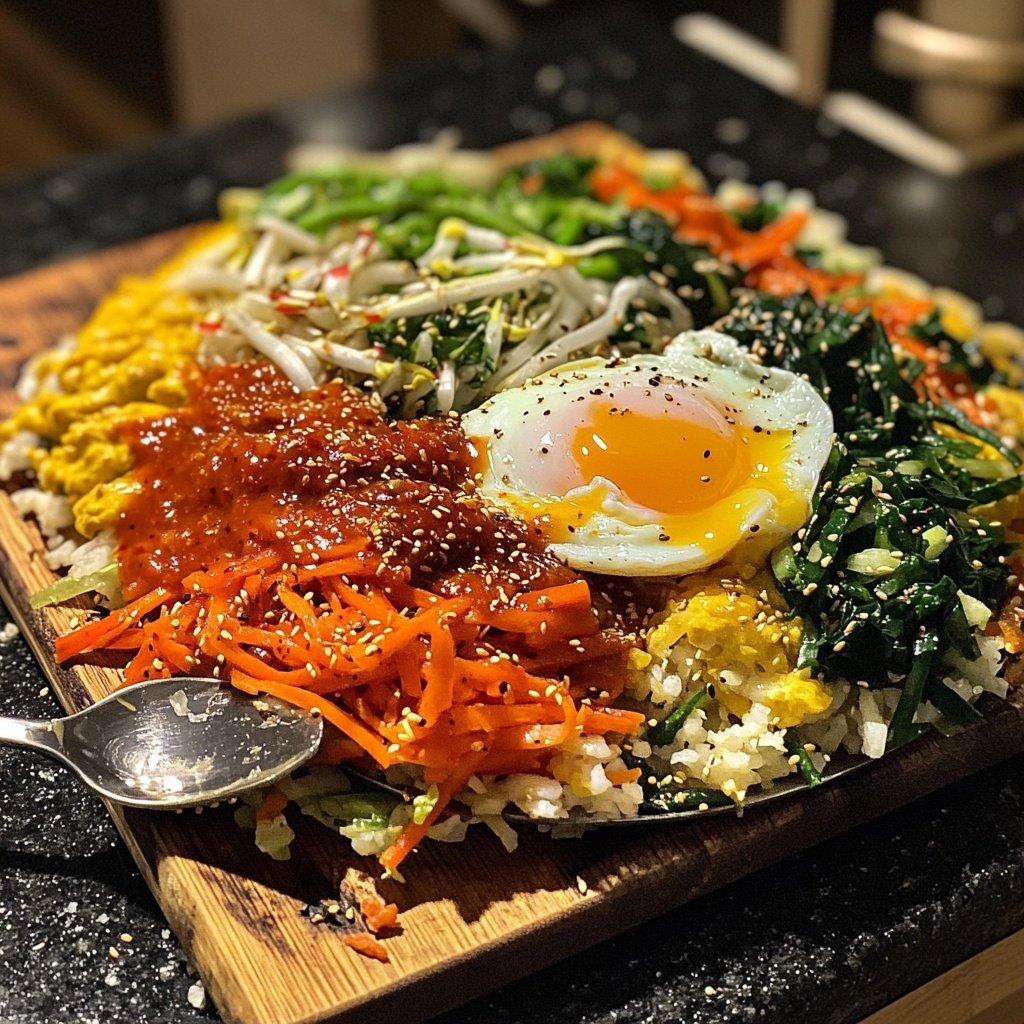
Korean Bibimbap is not only a feast for the taste buds but also a visual delight. The dish features a vibrant array of vegetables, all carefully arranged to create a beautiful presentation. Each ingredient brings its unique flavor and texture, from the crispness of julienned carrots and zucchini to the tenderness of blanched spinach and bean sprouts. This colorful medley makes Bibimbap an appealing choice for both the eyes and the palate, ensuring that every bite is as enjoyable as the last.
Incorporating seasonal vegetables allows you to customize your Bibimbap, making it a versatile dish that can adapt to what’s fresh and available. Whether it’s adding radishes in the summer or mushrooms in the fall, you can easily switch up the ingredients to suit your preferences or dietary needs. This flexibility not only enhances the taste but also keeps the dish exciting and new each time you prepare it.
The Perfect Balance of Flavors
Bibimbap is all about harmony, combining various flavors and textures in one bowl. The subtle nuttiness from sesame oil, the savory depth from fried eggs, and the spicy kick from gochujang create a well-rounded dish that satisfies any craving. Each component plays a vital role, ensuring that every bite bursts with flavor. The contrast between the warm rice and the cool vegetables further enhances the overall experience, making it a delightful meal for any occasion.
The magic of Bibimbap lies in its ability to cater to personal tastes. You can easily adjust the spice level by adding more or less gochujang, or even incorporate different sauces that suit your preference. This flexibility encourages creativity in the kitchen and allows each cook to make the dish their own, ensuring that everyone can enjoy their perfect bowl of Bibimbap.
A Wholesome and Balanced Meal
One of the standout features of Korean Bibimbap is its nutritional value. With a base of rice, a variety of vegetables, and a protein source from eggs, it offers a balanced meal that fulfills dietary needs. The inclusion of fresh vegetables provides essential vitamins and minerals, supporting a healthy lifestyle. This makes Bibimbap an ideal choice for anyone looking to nourish their body without compromising on flavor.
Additionally, Bibimbap is a great option for meal prepping. You can prepare the vegetables and eggs in advance, making it easy to assemble each bowl during busy weekdays. Simply reheat the rice, layer the ingredients, and you have a delicious, nutritious meal ready in minutes. This convenience makes Bibimbap not just a delightful dish but also a practical option for those on the go.
Ingredients
For the Bibimbap
- 2 cups cooked rice
- 1 cup spinach, blanched
- 1 cup carrots, julienned
- 1 cup zucchini, julienned
- 1 cup bean sprouts, blanched
- 4 eggs
- 2 tablespoons sesame oil
- Salt and pepper to taste
- Gochujang (Korean red chili paste) for serving
Feel free to add your favorite proteins like beef or tofu!
Instructions
Prepare the Vegetables
In a skillet, heat sesame oil over medium heat. Sauté the carrots and zucchini separately until tender, about 3-4 minutes each. Season with salt and pepper.
Fry the Eggs
In the same skillet, fry the eggs sunny-side up until the whites are set but the yolks are still runny.
Assemble the Bibimbap
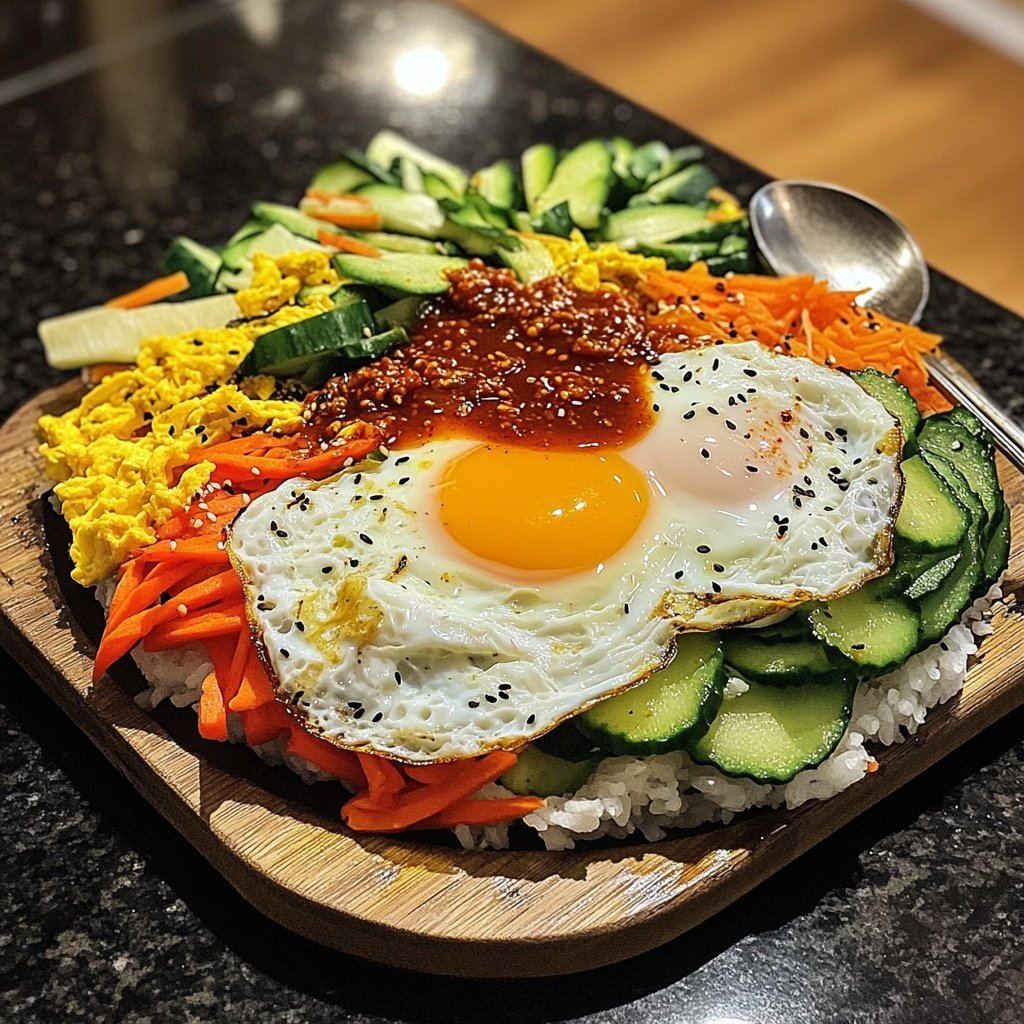
In a bowl, place a serving of rice and arrange the sautéed vegetables and spinach on top. Add the fried egg in the center and drizzle with gochujang.
Mix everything together before eating to enjoy all the flavors!
Pro Tips
- For added flavor, you can include marinated beef or tofu as a protein option.
Tips for the Best Bibimbap
To elevate your Bibimbap experience, consider using short-grain rice instead of long-grain varieties. Short-grain rice tends to be stickier, making it easier to mix with the vegetables and sauce. Additionally, ensure that your vegetables are cooked just until tender to retain their vibrant colors and crisp textures. This attention to detail will enhance the overall presentation and flavor of your dish.
Don't shy away from experimenting with different toppings! You can add proteins such as grilled chicken, tofu, or even beef for an extra layer of flavor. Toppings like crushed peanuts, sesame seeds, or scallions can also provide delightful crunch and aroma, making your Bibimbap even more satisfying.
Serving Suggestions
Korean Bibimbap is traditionally served in a hot stone bowl, known as dolsot, which keeps the rice crispy and warm. If you don’t have a dolsot, a regular bowl works just fine. Pair your Bibimbap with a side of kimchi or pickled vegetables for an authentic Korean experience. The tangy flavors of kimchi complement the dish, balancing the richness of the egg and the spiciness of gochujang.
For a complete meal, consider serving a light soup or broth on the side. A clear soup or a miso-based broth can enhance the dining experience, providing a comforting contrast to the hearty Bibimbap. This combination creates a satisfying meal that’s perfect for any day of the week.
Questions About Recipes
→ Can I make Bibimbap vegetarian?
Absolutely! Just skip the meat and add more vegetables or tofu.
→ What can I use instead of gochujang?
You can use Sriracha or any chili paste, but it may alter the flavor profile.
→ Can I meal prep Bibimbap?
Yes, you can prepare the vegetables and rice in advance and assemble when ready to eat.
→ How spicy is Bibimbap?
The spiciness depends on the amount of gochujang you use. Adjust to your taste!
Korean Bibimbap
Created by: Emma Parker
Recipe Type: Traditional World Food Ideas
Skill Level: Easy
Final Quantity: 4 servings
What You'll Need
For the Bibimbap
- 2 cups cooked rice
- 1 cup spinach, blanched
- 1 cup carrots, julienned
- 1 cup zucchini, julienned
- 1 cup bean sprouts, blanched
- 4 eggs
- 2 tablespoons sesame oil
- Salt and pepper to taste
- Gochujang (Korean red chili paste) for serving
How-To Steps
In a skillet, heat sesame oil over medium heat. Sauté the carrots and zucchini separately until tender, about 3-4 minutes each. Season with salt and pepper.
In the same skillet, fry the eggs sunny-side up until the whites are set but the yolks are still runny.
In a bowl, place a serving of rice and arrange the sautéed vegetables and spinach on top. Add the fried egg in the center and drizzle with gochujang.
Extra Tips
- For added flavor, you can include marinated beef or tofu as a protein option.
Nutritional Breakdown (Per Serving)
- Calories: 450 kcal
- Total Fat: 20g
- Saturated Fat: 4g
- Cholesterol: 186mg
- Sodium: 300mg
- Total Carbohydrates: 55g
- Dietary Fiber: 6g
- Sugars: 3g
- Protein: 12g